Camping requires systematic preparation. A reliable tent, sleeping bag, and pad form the foundation for shelter. Portable cooking equipment, water purification systems, and navigation tools guarantee basic functionality. First aid supplies, layered clothing, and hygiene items address safety and comfort. Yet the distinction between adequate and exceptional trips often depends on how these elements are selected and organized.

Key Takeaways
- A quality tent, sleeping bag, and sleeping pad form the foundation for shelter, insulation, and comfort during camping trips.
- Portable stoves, lightweight non-perishable foods, and proper storage containers enable efficient meal preparation and minimize pack weight.
- Carry at least 2 liters of water daily, with purification methods for backcountry trips and increased intake in heat.
- Maps, compasses, GPS devices, whistles, and a charged phone with power bank ensure navigation and emergency communication capabilities.
- Moisture-wicking layers, sturdy hiking boots, camp shoes, first aid supplies, and biodegradable toiletries cover clothing, hygiene, and health needs.
Essential Shelter and Bedding
Shelter and sleep systems form the foundation of any camping setup. Tent selection requires evaluating size and weight specifications relative to trip demands. Dome tents offer reliable stability and straightforward assembly, accommodating various conditions effectively.
Sleeping arrangements demand thoughtful consideration of personal comfort and environmental temperatures. Quality sleeping bags provide vital insulation across seasonal variations. Sleeping pads amplify comfort through ground cushioning and dampness barriers, significantly improving sleep quality.


Minimalist campers can deploy practical strategies like using compressed clothing as pillows, reducing pack volume without sacrificing rest. This approach prioritizes functionality over conventional gear.
Before establishing camp, verify park regulations regarding equipment use—particularly hammock installations, as some areas restrict tree-hanging systems. Understanding these constraints guarantees compliant, uninterrupted camping experiences while maintaining site integrity.
Cooking and Food Preparation
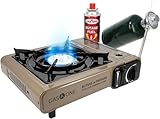
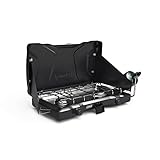
Cooking and food preparation constitute important components of campsite functionality. Portable stoves and grills paired with compact mess kits facilitate efficient meal preparation in remote settings. Lightweight, non-perishable items—dried fruits, nuts, rice, pasta—minimize pack weight while maintaining nutritional value throughout extended trips.

Strategic meal planning reduces unnecessary weight and waste. Resealable plastic bags optimize food storage by preventing spills and flattening packaging, maximizing limited space.
Essential tools include a cutting board and multi-tool knife for streamlined prep work. Food safety requires strict adherence to park-specific storage policies, particularly in bear country. Proper containment prevents wildlife attraction and maintains camp security.
These systems balance practicality with minimalism, promoting self-sufficient cooking operations while preserving wilderness integrity and camper autonomy.
Water and Hydration
Proper hydration while camping requires a minimum daily intake of 2 liters of water, with increased consumption recommended in hot climates. Water storage solutions vary by camping type: frontcountry campers should fill containers upon arrival, while backcountry campers benefit from collapsible jugs positioned near reliable water sources. Water safety depends on filtration systems, purification tablets, or boiling to eliminate contaminants, with adherence to park-specific regulations mandatory.
Daily Hydration Requirements
Maintaining adequate hydration stands as essential to camping performance and safety. A baseline water consumption of two liters daily prevents dehydration-related complications like heat exhaustion and fatigue. Hot climates and strenuous activities demand increased intake beyond this minimum threshold.
Effective hydration strategies require reliable water access and treatment protocols. Frontcountry campers should fill containers upon arrival for convenient supply management. Backcountry enthusiasts must employ purification methods—boiling, chemical tablets, or portable filters—to eliminate pathogens from natural sources.
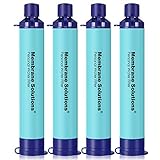
Selecting campsites near water sources reduces logistical burden but demands adherence to treatment guidelines. Stream and lake water requires processing before consumption. Maintaining consistent water consumption throughout the day sustains energy levels and prevents performance degradation. Proper hydration planning remains non-negotiable for autonomous, self-sufficient camping operations.
Water Storage Solutions
Since backcountry expeditions eliminate access to established water stations, selecting appropriate storage containers becomes critical to sustained hydration. Collapsible jugs offer the ideal solution, providing ample capacity while minimizing pack weight and space when empty. Their flexibility allows campers to adjust volume based on trip duration and terrain accessibility.
Equally important are purification methods. Portable water filters and purification tablets facilitate self-sufficiency by rendering backcountry water sources safe for consumption. This independence from pre-filled containers grants campers freedom to investigate remote areas without logistical constraints.
For frontcountry camping, filling a large jug upon arrival reduces repetitive trips to communal water sources. Strategic campsite selection near natural water sources further streamlines daily operations, supporting cooking, cleaning, and hygiene activities while conserving stored reserves.
Navigation and Safety Tools
Navigation and safety tools are crucial for any camping expedition, requiring campers to carry vital equipment such as maps, compasses, and GPS devices for accurate terrain orientation. Emergency communication devices, including whistles and charged mobile phones with portable power banks, facilitate rapid signaling and contact during unexpected situations. Establishing an itinerary with someone outside the trip group creates an additional safety layer, ensuring external awareness and potential rescue coordination if issues arise.
Essential Navigation Equipment
Proper orientation in unfamiliar terrain depends on a combination of traditional and modern tools. A reliable map allows accurate trail identification, water source location, and campsite placement through proper map interpretations. Compass usage provides directional bearings when landmarks disappear, offering dependable navigation without battery dependency.
GPS devices deliver precise location tracking across unknown territory, significantly reducing disorientation risks. A whistle functions as a critical emergency signaling device, audible across extended distances when assistance becomes necessary.
Complementing these physical tools, leaving a detailed itinerary with a trusted contact establishes accountability. This document should specify planned routes and expected timelines, facilitating effective response if complications arise.
These navigation and safety necessities collectively provide autonomous terrain mastery, allowing campers to investigate confidently while maintaining situational awareness and emergency preparedness.
Emergency Communication Devices
When traditional navigation tools fail or campers become separated from their group, electronic communication devices become essential lifelines. A whistle serves as the primary emergency signaling tool, projecting sound across vast distances—far exceeding human vocal capacity. This mechanical device requires no batteries and functions reliably in adverse conditions.
Modern communication devices like satellite messengers and personal locator signals extend capabilities beyond traditional methods. These transmitters alert rescue services to precise coordinates, enabling rapid response during critical situations.
Before departure, campers should establish communication protocols and leave detailed itineraries with trusted contacts, including accommodation specifics and emergency numbers. This redundant safety layer guarantees assistance reaches those in distress even when electronic equipment malfunctions.
Combining mechanical and electronic communication devices maximizes survival prospects in remote environments where self-reliance determines outcomes.
First Aid and Emergency Supplies
A well-stocked first aid kit forms the foundation of camping safety. Crucial supplies include adhesive bandages, antiseptic wipes, gauze pads, medical tape, and over-the-counter pain relievers. Personal medications and emergency contact lists should be stored within the kit for immediate access.

Outdoor-specific items warrant inclusion: allergy medications, insect bite relief, and burn ointment address common camping incidents. A whistle serves dual purposes—signaling for help when lost or in distress.
Campers must familiarize themselves with fundamental emergency procedures before departing. Knowledge of treating cuts, sprains, and allergic reactions guarantees effective response during incidents. First aid kits remain ineffective without understanding their contents and proper application.
This preparation grants independence and confidence, allowing individuals to manage minor emergencies autonomously and maintain control over their wilderness experience.
Clothing and Footwear
Clothing and footwear selection directly impacts camping comfort and safety across varying weather conditions.
Effective camping fashion relies on strategic layering. A moisture-wicking base layer removes sweat, an insulating mid-layer provides warmth, and a waterproof outer layer shields against precipitation. This system maintains body temperature and prevents hypothermia during unpredictable weather shifts.
- Moisture-wicking and quick-drying fabrics guarantee comfort during variable conditions
- Sturdy hiking boots with advanced footwear technology offer traction and ankle support on uneven terrain
- Camp shoes or sandals facilitate relaxation and recovery at the site
- Accessories—hats, gloves, scarves—provide sun protection and temperature regulation
Quality footwear technology prevents injuries on challenging trails. Proper hiking boots distribute weight effectively and reduce fatigue. Campers gain freedom to investigate longer distances with confidence when equipped with appropriate clothing and footwear, allowing extended adventures without physical compromise.
Cleaning and Hygiene Products
Proper sanitation sustains both camper health and environmental integrity. Biodegradable soap minimizes ecological footprint while maintaining camp cleanliness and personal hygiene practices. A scouring pad allows thorough cookware cleaning, preventing foodborne illness and ensuring safe meal preparation in remote settings.
The three-basin system—soapy water, rinse, and sanitize—establishes effective hygiene protocols. This method guarantees complete contaminant removal from utensils and cookware. Paper towels or microfiber rags, being lightweight and compact, promote efficient drying without excess bulk.
Trash bags serve dual purposes: waste containment and wildlife deterrence. Proper disposal protects the natural environment and reduces dangerous animal encounters. Campers maintaining rigorous sanitation standards protect themselves, fellow campers, and pristine wilderness. These key items transform basic camp cleanliness from inconvenience into streamlined practice, granting autonomy over one’s health and environmental responsibility during outdoor expeditions.
Camping Furniture and Comfort Items
Comfort and functionality extend beyond hygiene to encompass the physical infrastructure of campsite living. Strategic furniture choices directly impact campsite efficiency and relaxation capacity.
Essential camping furniture elements include:
- Portable camping chairs for lightweight campfire seating around the perimeter
- Folding tables for organized meal preparation and supply storage
- Pop-up pavilions or shade structures for weather protection during extended stays
- Hammocks for strategic outdoor lounging during downtime
Portable chairs provide ergonomic support without excess weight. Folding tables eliminate ground-level food preparation, reducing contamination risks and improving workflow efficiency. Shade structures protect against UV exposure and precipitation, extending usable hours. Hammocks offer alternative lounging positions, distributing body weight effectively while minimizing ground footprint.
These items collectively transform raw campsite space into a functional, comfortable environment. Strategic furniture selection allows campers to maintain independence and control over their immediate surroundings while maximizing available resources.
Planning Your Packing List
Once furniture selections are finalized, campers must systematically organize their gear into a unified packing list tailored to their specific camping style and trip parameters. Trip duration directly determines food, water, and clothing quantities needed. Campers should categorize camping necessities by priority: shelter, sleep systems, cooking equipment, and first aid supplies form the foundation. Secondary items address comfort and activity-specific needs. Weight and space constraints require honest assessment of each addition’s value versus burden. Weather conditions, planned activities, and campground regulations further refine selections. A methodical approach prevents overpacking while ensuring nothing critical gets overlooked. Digital or written checklists indexed by category streamline both packing and unpacking procedures, enabling efficient preparation for autonomous outdoor experiences.