Backpacking demands deliberate preparation. Beginners often overpack, compromising mobility and enjoyment. A systematic checklist addresses core categories: sleep systems, kitchen equipment, clothing layers, navigation tools, and emergency supplies. Each item serves a specific function. Yet many novices include redundant gear that weighs them down. The distinction between crucial and superfluous determines trip success.
Key Takeaways
- Start with a lightweight tent, sleeping bag rated for expected temperatures, and insulated sleeping pad for shelter and comfort.
- Pack moisture-wicking clothing, waterproof rain gear, and appropriate footwear; avoid excess layers and focus on quality over quantity.
- Carry a map, compass, headlamp, first aid kit, and communication device for navigation and emergency situations.
- Use an efficient camp stove, collapsible dishes, water filter, and two bottles; plan daily meals to minimize waste.
- Center heavy items at your pack’s small of back; keep rain gear and snacks accessible at the top.
Sleep System for Backpacking Trips
Five components form a functional sleep system for backpacking trips. Sleeping bag selection depends on temperature ratings matching expected conditions; models like the Nemo Disco and REI Trailmade 20 deliver reliable warmth. A sleeping pad provides dual benefits: ground insulation and comfort. The Nemo Tensor offers superior insulation options while reducing pack weight. A compression sack—such as the Sea to Summit—maximizes space efficiency within the backpack. Lightweight ultralight tents like the Big Agnes Fly Creek 2 UL protect against elements without excess bulk. Finally, a reliable headlamp guarantees safe camp setup and nighttime navigation. Each component serves a critical function. Prioritizing quality gear in these five areas grants independence and self-sufficiency in the backcountry.


Kitchen Gear and Food Packing
Kitchen operations in the backcountry demand intentional gear selection and meal planning. Minimalist equipment reduces pack weight while maintaining functionality. Consider these necessities:
- MSR Pocket Rocket camp stove for efficient, lightweight cooking
- Sea to Summit Collapsible Dish-wear for space-saving meal preparation
- Two water bottles (Smartwater or Nalgene) for adequate hydration
- Sawyer Squeeze water filter for safe natural water sourcing


Strategic meal planning prevents waste and discomfort. Prepare one breakfast, lunch, dinner, and snacks daily using familiar foods. This approach eliminates decision fatigue and dietary surprises on the trail.
Lightweight cooking equipment directly correlates with trail freedom—less gear means greater mobility and reduced physical strain. Prioritize multi-functional items and collapsible containers. Every ounce matters in backcountry operations.
Clothing and Footwear Essentials
Proper clothing and footwear form the foundation of backcountry comfort and injury prevention. Humidity-wicking benefits keep hikers dry and blister-free by drawing sweat away from skin, unlike cotton’s moisture-retaining properties. Quality options include specialized hiking socks like Darn Tough, engineered to reduce friction and blister risks across varied surroundings.

Layering strategy demands a lightweight, insulated down puffy jacket—such as the Stio Pinion—for packable warmth efficiency. Breathable, waterproof rain gear protects against wet conditions without compromising ventilation during sustained physical exertion.
Footwear options depend on trail conditions: hiking shoes suit smooth terrain, while boots handle rugged environment demands. Trail running shoes offer alternative comfort during extended backpacking. Selecting appropriate footwear directly impacts performance, safety, and overall backcountry autonomy.
Navigation and Safety Gear
Navigation and safety gear form the critical infrastructure for independent backcountry travel. Self-reliance demands competency with traditional tools and modern technology.
Essential navigation equipment includes:
- Map reading and compass skills—foundational abilities requiring no batteries or signal dependency
- Waterproof map sleeve protecting navigation materials in adverse conditions
- GPS device like the Garmin InReach Mini for emergency communication and route documentation
- Headlamp (Black Diamond Spot 400) enabling hands-free visibility during night travel or unforeseen emergencies


A thorough first aid kit tailored to group size and trip duration addresses injuries without delay. Backcountry explorers must understand their tools thoroughly before departure. Electronic devices supplement—never replace—map and compass proficiency. This redundancy guarantees navigation capability persists regardless of equipment failure or signal loss, preserving autonomy in remote terrain.
Electronics and Communication Devices
Modern electronics extend the capabilities established by traditional navigation methods, providing real-time communication and backup positioning when conditions permit. A fully charged cell phone functions as both communicator and navigator, though offline maps prove crucial in areas with poor signal coverage.
Portable chargers maintain device functionality throughout extended trips, ensuring GPS and emergency communication remain operational. A Garmin InReach offers independent messaging and SOS capabilities in remote locations where cellular networks fail entirely.

Lighting equipment—flashlights or headlamps—enables safe nighttime movement and emergency response. A multi-tool consolidates repair and preparation tasks while reducing pack weight.
These electronics form a redundancy-based safety system. No single device guarantees communication; collectively, they maximize options for navigation, distress signaling, and emergency signals across varying terrain and conditions.
Water Storage and Purification
Water storage containers must balance capacity with weight; lightweight options like Smartwater bottles or hydration bladders in 1.5-2 liter sizes suit most backpacking trips. Purification methods such as Sawyer Squeeze filters or iodine tablets are crucial for treating water from natural sources, ensuring safe consumption throughout the trek. Effective hydration planning requires researching trail water sources and terrain difficulty to determine necessary capacity, accounting for variables like weather shifts and increased exertion demands.


Choosing Water Storage Containers
Lightweight containers form the foundation of efficient water management on the trail. Selecting the right container materials directly impacts pack weight and hiking freedom. Two proven options dominate backcountry use:
- Smartwater bottles: Collapsible design reduces pack space when empty; durable plastic withstands repeated use
- Nalgene bottles: Rigid construction provides reliability; various water capacity sizes accommodate different trip lengths
- Hydration bladders: 1.5 to 2-liter capacity allows hands-free drinking during movement
- Backup containers: Secondary bottles guarantee redundancy for extended treks


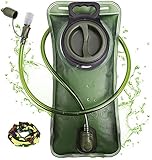
Water capacity calculations depend on trail conditions and source availability. Assess distance between water sources before committing to container configuration. Pair chosen containers with a water filter or purification tablets for thorough water security. Strategic container selection minimizes weight while maximizing hydration independence on backcountry expeditions.
Purification Methods and Options
Since contaminated water poses serious health risks on the trail, selecting an appropriate purification method becomes non-negotiable.
| Method | Weight | Speed |
|---|---|---|
| Sawyer Squeeze Filter | 2 oz | 1-2 min/liter |
| Iodine Tablet Usage | 0.5 oz | 30 min wait |
| Chemical Tablets | 1 oz | 30 min wait |
Water filter options like Sawyer Squeeze deliver rapid filtration from streams and lakes, eliminating most pathogens efficiently. Iodine tablet usage provides compact, lightweight backup for emergencies or resource-limited situations. Chemical purification requires minimal gear investment and suits ultralight backpackers prioritizing pack weight reduction.

Trail independence demands reliable purification capability. Combining methods—primary filter plus backup tablets—ensures water security regardless of contamination levels. Research local water source reliability before departure to determine necessary purification capacity and eliminate dehydration risks during extended backcountry missions.
Hydration Planning and Capacity
Planning hydration capacity requires calculating minimum intake based on terrain difficulty and environmental conditions. Backers need at least half a liter per hour during moderate hiking to maintain performance and prevent fatigue.
Effective hydration strategies demand selecting appropriate containers and identifying viable water sources beforehand:
- Lightweight bottles like Smartwater or Nalgene minimize pack weight while maintaining durability
- Water filters such as Sawyer Squeeze facilitate rapid treatment from natural sources
- Backup purification methods, including iodine tablets, guarantee contingency against filter failure
- Trail reconnaissance identifies reliable water source locations and spacing
Combining strategic planning with redundant purification systems grants independent access to safe drinking water. This approach eliminates dependency on pre-positioned supplies while maintaining autonomy throughout extended backcountry travel.
First Aid Kit and Emergency Supplies
A thorough first aid kit forms the foundation of trail safety, containing adhesive bandages, gauze, antiseptic wipes, pain relievers, and blister treatments like leukotape to address common injuries. First aid necessities should be customized based on trip duration, group size, and individual medical conditions.


Emergency preparedness extends beyond reactive supplies. Include preventive items like duct tape for blister prevention and a burn kit for camp stove injuries. These address issues before escalation.
Pack a lightweight emergency shelter—space blanket or bivy sack—for unexpected weather or situations requiring rapid protection. Knowledge proves similarly critical; understanding basic procedures such as bleeding management and CPR allows effective response when emergencies occur. Self-reliance on the trail demands both proper equipment and competency.
Packing Strategies and Organization
Efficient packing transforms a backpacking trip from uncomfortable to manageable. Mastering weight distribution techniques guarantees hikers maintain balance and reduce strain over long distances.
Implementing strategic packing efficiency tips maximizes space and accessibility:
- Center bulk weight around the small of the back, balanced on hips for stability
- Position frequently accessed items—rain gear, snacks, first aid—at pack top for emergency accessibility
- Reserve bottom compartments for evening supplies, minimizing unnecessary retrieval
- Roll clothing instead of folding to conserve space and reduce wrinkles
Organizational systems like packing cubes and stuff sacks compartmentalize gear, streamlining setup and breakdown. Regular reassessment eliminates redundancies and refines systems based on actual trail performance. This methodical approach grants backpackers freedom from logistical complications, enabling focus on wilderness exploration and self-reliance.
Items to Avoid and Unnecessary Gear
Heavy electronics and gadgets consume valuable pack space and battery power without providing crucial survival or navigation functions when basic tools suffice. Excessive clothing layers create redundancy; a base layer, insulating mid-layer, and weather shell eliminate the need for multiple similar items. Bulky toiletries and duplicate containers waste weight; single-use packets or minimal quantities address hygiene needs without the overhead of full-sized products or packaging redundancy.
Heavy Electronics and Gadgets
When backpacking, electronic devices and gadgets represent significant weight penalties with minimal practical benefit. Minimalists understand that every ounce matters on the trail, and unnecessary technology compromises freedom and mobility.
Consider these critical distinctions:
- Laptops and tablets drain battery life rapidly while adding pounds that could serve actual survival needs
- Dual devices like separate GPS units and cameras eliminate redundancy; smartphones consolidate navigation and documentation
- Gadget alternatives such as headlamps replace bulky flashlights, maintaining functionality with reduced bulk
- Multiple chargers create unnecessary pack volume; one multi-use charger suffices for vital devices
Backpackers who prioritize lightweight gear gain autonomy and endurance. The principle is straightforward: eliminate electronics that don’t directly improve safety, navigation, or emergency communication. This disciplined approach maximizes carrying capacity for genuinely necessary equipment while reducing dependency on power-dependent systems.
Excessive Clothing Layers
Excessive clothing layers undermine backpacking efficiency by increasing pack weight without proportional benefit. Each piece must justify its presence through distinct layer functionality—base, insulating, and waterproof shell systems eliminate redundancy while maintaining performance.
Beginners frequently overpack duplicative items, believing more clothes guarantee comfort. This approach sacrifices mobility and loads unnecessary bulk. Instead, prioritize versatile, moisture-retaining garments that layer efficiently and pack small.
Strategic packing efficiency demands consulting weather forecasts and selecting only crucial items. Lightweight, packable pieces that mix and match outperform dedicated outfits for individual days. This minimalist approach preserves pack space for critical gear while reducing fatigue.
Master layering principles: technical base layers, insulating mid-layers, and protective shells accomplish environmental adaptation without excess. Freedom in movement and reduced weight improve the backpacking experience substantially.
Bulky Toiletries and Duplicates
Since toiletries and personal care items often consume disproportionate pack space, strategic elimination becomes vital for weight reduction. Backpackers achieve liberation from unnecessary burden by abandoning conventional assumptions about personal hygiene.
Toiletry alternatives and minimalist approaches include:
- Forgoing full-size shampoo and soap; dirt alone effectively cleanses skin
- Skipping towels entirely, as they remain unused on most treks
- Eliminating deodorant; pre-trip application suffices for trip duration
- Removing excess packaging and duplicate containers to reduce load
Every nonessential item compounds pack weight, directly impacting physical endurance and trail enjoyment. By reconsidering culturally ingrained toiletry expectations, backpackers reclaim precious capacity for fundamental gear. This practical approach transforms personal care from a burden into streamlined necessity, enabling extended exploration without compromising comfort or hygiene standards.
Recommended Backpacking Routes and Resources
Planning a backpacking trip requires selecting appropriate routes and accessing reliable information. Several established backpacking routes cater to varying skill levels and preferences.
| Route | Distance | Region | Terrain |
|---|---|---|---|
| Havasupai Trail | 10 miles | Southwest | Waterfalls, canyons |
| North Country Trail | 4,600+ miles | Midwest | Forests, wetlands |
| Pacific Crest Trail | 2,650 miles | West Coast | Deserts, mountains |
| Local day trails | Variable | Nationwide | Diverse options |
| Regional loops | Variable | By region | Customizable terrain |
Trail resources streamline trip planning. AllTrails and the American Hiking Society provide detailed maps, trail reports, and difficulty assessments. Local ranger stations and visitor centers offer critical insights regarding regulations, food storage protocols, and campsite accessibility. These resources allow backers to identify sustainable routes matching their experience level. Consulting official channels guarantees compliance with environmental standards and maximizes trip safety and enjoyment.