Seniors who hike live longer, move better, and think sharper. The research backs this up. But hitting the trail past 60 requires a different strategy than simply lacing up boots and heading out. The wrong approach leads to injury, burnout, or worse. The right approach builds something lasting. What follows covers everything an older adult needs to know before taking that first step.
Key Takeaways
- Consult your healthcare provider before starting a hiking routine to ensure your fitness level matches the trail’s physical demands.
- Begin on short, flat, well-maintained trails, gradually increasing distance and difficulty as your stamina and confidence improve.
- Wear supportive hiking shoes with good traction and use trekking poles to enhance stability and reduce joint strain.
- Stay hydrated, pace yourself consistently, and consume energy-rich snacks like trail mix or bananas every hour on the trail.
- Share your planned route with trusted contacts and always monitor weather forecasts before heading out on any hike.
Smart Hiking Advice for Seniors and Older Adults
The trail is for everyone, at any age. These friendly tips will help you enjoy the outdoors safely, comfortably and at your own pace.
🩺 Talk to Your Doctor
Check in before starting, especially if you have heart, joint or breathing conditions or take regular medication.
🐢 Start Slow
Begin with short, easy walks and build up distance and elevation gradually over weeks.
🗺️ Pick the Right Trail
Look for well-marked, gently graded paths with shade and benches. Out-and-back routes let you turn around any time.
🥢 Use Trekking Poles
Poles add stability and can take some pressure off your knees, especially on descents.
🥾 Wear Supportive Footwear
Choose shoes or boots with good grip, cushioning and a comfortable fit. Break them in before the hike.
💧 Drink & Snack Often
Thirst can be harder to notice with age. Sip water regularly and carry easy snacks.
👥 Hike with a Buddy
Go with a friend or group, and tell someone your route and expected return time.
⏸️ Rest and Enjoy
Take regular breaks and use the talk test: you should be able to chat while you walk.
🎒 Essentials to Carry
- Water and snacks
- Sun hat, sunscreen and sunglasses
- Light layers and a rain jacket
- Charged phone and a small first-aid kit
- Medications and an ID card
🌤️ Plan Ahead
- Check the weather before you go
- Hike in the cooler hours of the day
- Allow extra time so you never rush
- Be back well before dark
- Know where the nearest help is
⚠️ Stop, rest and get help if you notice:
- Chest pain or pressure
- Dizziness, confusion or fainting
- Unusual shortness of breath
- Severe or sudden pain in a joint or muscle
For serious symptoms, call your local emergency number straight away.
🏆 Our Take
Hiking at any age is about enjoying the journey, not the finish line. Go at your own speed, bring the right gear and good company, and the trail will keep welcoming you back.
This guide is for general information only and is not medical advice. Please consult your doctor about what is right for you.
Why Hiking Is One of the Best Activities for Seniors?
Hiking stands out as one of the most rewarding and practical activities available to seniors, delivering a powerful combination of physical and mental benefits that few other exercises can match. This low-impact pursuit strengthens cardiovascular health, increases bone density, and fights osteoporosis head-on. Nature therapy works powerfully here — time spent on trails slashes stress, reduces anxiety, and shatters isolation, replacing those burdens with genuine life satisfaction. Sunlight exposure during outdoor hikes maximizes vitamin D absorption, fueling energy and fortifying bones. Beyond the physical, hiking builds something deeper. The hiking community transforms solitary walks into shared adventures, forging real connections among older adults who refuse to slow down. Hiking doesn’t just sustain life — it reclaims it.
Physical and Mental Health Benefits of Hiking After 60
Once past 60, the body still responds powerfully to physical challenge — and hiking delivers that challenge on nature’s own terms. Stronger bones, sharper circulation, and a heart that works more efficiently — these aren’t promises, they’re documented outcomes of regular trail time. Nature therapy does what prescriptions often can’t: it cuts through anxiety and depression with clean air and open skies. Vitamin D absorbed under sunlight strengthens both bone and mood simultaneously. Meanwhile, hiking communities pull older adults out of isolation and into something real — shared miles, shared effort, shared purpose. The trail doesn’t care about age. It demands presence, builds resilience, and rewards consistent movement with a body and mind that function with far greater freedom than those left sedentary.
Are You Ready to Start Hiking as a Senior?
Before stepping onto any trail, a senior needs an honest reckoning with their current physical condition. A consultation with a healthcare provider clears the path forward, especially for those managing chronic conditions. From there, simple, well-maintained trails build stamina and confidence without overwhelming the body.
Daily walking and gentle exercises strengthen muscles and sharpen balance — crucial preparation for rougher terrain. Quality footwear and trekking poles reduce joint strain and increase stability, turning hesitant steps into confident strides.
-
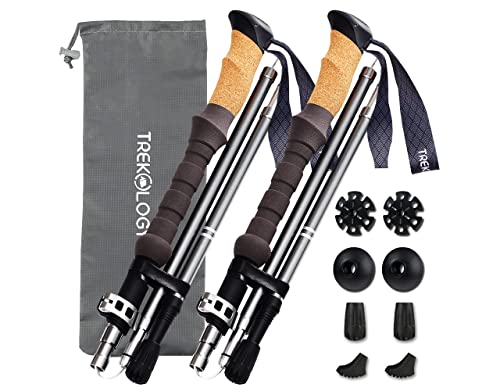
Trekology Trek-Z Cork Grip Collapsible Lightweight Hiking Trekking Poles | Adjustable folding aluminum walking stick for men, women and seniors; foldable, retractable staff for travel and balance
- Natural Cork Grip Handle · Cork grips naturally absorb hand moisture to keep your grip dry on long hikes.…
- Engineered and Built To Last · Keeping your Adventurous nature in mind, we knew that No detail could be…
- Compact Design that is Ready to Go When You Are · Trek-Z hiking poles collapsible design, fold down to…
- Sizing · We've Got You Covered: Easily adjust the trekking poles from 110 cm to 130 cm (20…
- Lighter Than Your Average Umbrella · Each pole weighs only 11.5 oz (330g), light enough for all-day hiking, backpacking…
Hydration, pacing, and frequent breaks aren’t signs of weakness; they’re smart trail etiquette that keeps hikers moving longer. Joining a group cultivates hiking camaraderie, connecting seniors with others who share a hunger for open air and open trails. Know your limits, respect the land, and the wilderness rewards every step.
How to Build Your Fitness Before Hitting the Trail
Getting trail-ready demands more than good intentions — it demands disciplined groundwork. Seniors serious about outdoor safety should begin with daily walks, steadily pushing distance and duration to hit meaningful fitness milestones. Squats, lunges, and upper body work build the functional strength needed for hauling gear across uneven terrain. Flexibility training — stretching or yoga — keeps joints mobile and injuries at bay.
Low-impact cardio like cycling or swimming sharpens cardiovascular endurance, preparing the lungs for long, demanding climbs. One underestimated strategy: progressively loading a backpack during training walks. The body adapts best under gradual stress.
Freedom on the trail belongs to those who earn it beforehand. Build the foundation methodically, and the wilderness rewards the effort with miles of unobstructed adventure.
How to Choose the Right Trail for Your Fitness Level
Choosing the right trail starts with an honest reckoning — seniors must assess their physical fitness level, factoring in chronic conditions, joint limitations, and cardiovascular capacity before committing to any route.
Smart trail selection follows a clear progression:
- Start short and flat — well-marked trails with gentle inclines build confidence without punishment.
- Consult hiking resources — apps, guidebooks, and user reviews reveal real-time trail conditions and accurate elevation data.
- Study the trail rating — understand difficulty classifications before selecting a route that matches current endurance.
- Match terrain to motivation — scenic rewards must align with personal interests, keeping the experience worth every step.
Gradually push toward moderate trails as experience grows. Freedom on the trail is earned, not given.
The Gear That Makes the Biggest Difference After 60
The right gear doesn’t just improve a hike — it determines whether a senior finishes one. Smart gear recommendations start from the ground up. Supportive hiking shoes with solid traction prevent slips and carry hikers through miles without punishment. Trekking poles reduce joint strain and turn steep terrain into manageable ground. These aren’t optional accessories — they’re crucial accessories for anyone hiking past 60.
Beyond footwear and poles, lightweight water-absorbing layers handle temperature shifts without weighing hikers down. A hydration pack keeps water accessible without the burden of heavy gear. Wide-brimmed hats and sunscreen complete the kit, defending skin against relentless UV exposure.
Stripped-down, purposeful, and trail-tested — the right equipment hands older hikers back their freedom and keeps them moving forward.
What to Wear on a Hike as a Senior
Seniors who hit the trail without thinking through their clothing choices often pay for it before they reach the first mile marker. A smart layering system starts with humidity-wicking base layers, adds insulating mid-layers like fleece or down, and finishes with weather protection that can be shed or added as conditions shift. From the boots on their feet to the hat shading their face, every piece of gear a senior wears should earn its place in the pack.
Layering for Comfort
When temperatures shift unexpectedly on the trail, a well-planned layering system gives senior hikers the flexibility to stay comfortable without carrying unnecessary bulk. Smart layering techniques and careful material choices keep hikers moving freely through changing conditions.
- Base Layer – Humidity-wicking synthetic or merino wool pulls sweat away from skin, keeping the body dry and regulated.
- Insulating Layer – Lightweight fleece or down jackets trap warmth without weighing hikers down during cold stretches.
- Outer Shell – A waterproof, windproof, breathable shell defends against rain and wind while releasing internal humidity.
- Accessories – Gloves, hats, and neck gaiters lock in body heat and shield extremities against harsh elements.
Each layer serves a purpose—nothing extra, nothing missing.
Footwear and Accessories
Dressing smart from head to toe gives senior hikers their best shot at a strong, comfortable trail experience—and that effort doesn’t stop at the jacket. Foot health starts with supportive, well-cushioned shoes built for serious traction and reliable arch support—non-negotiables on uneven terrain. High-quality moisture-wicking socks pair naturally with that foundation, fighting blisters before they start. Among important hiking accessories, trekking poles stand out as a powerful tool, stabilizing balance and protecting knees on aggressive climbs and steep descents. Wide-brimmed hats and broad-spectrum sunscreen round out the kit, shielding skin that grows increasingly UV-sensitive with age. Every piece of gear serves a purpose out there. Choose wisely, gear up completely, and the trail rewards the effort.
How to Prevent Falls, Fatigue, and Emergencies on the Trail
Seasoned trail walkers know that fatigue sneaks up fast, and recognizing its early warning signs — heavy legs, slowed pace, and mental fog — is the first line of defense against a dangerous situation. Smart hikers plan for emergencies before they step foot on the trail, carrying a stocked kit and a charged phone while sharing their route with someone off the trail. The wilderness rewards the prepared and punishes the careless, making proactive planning as crucial as a sturdy pair of boots.
Recognizing Trail Fatigue Signs
Trail fatigue has a way of sneaking up on hikers before they realize they’re in trouble, particularly for seniors pushing through demanding terrain. Sharp hiking awareness keeps adventurers moving safely and confidently. Watch for these four trail fatigue warning signs:
- Heavy legs – Muscles signaling they’ve hit their limit
- Shortness of breath – Breathing harder than the terrain demands
- Fading enthusiasm – Mental energy dropping alongside physical reserves
- Decreased pace – Slowing significantly without intentional reason
When these signals appear, experienced trail veterans know to stop, hydrate, and reassess. Ignoring trail fatigue doesn’t prove toughness—it invites real danger. Rest breaks aren’t weakness; they’re strategy. The trail will always be there tomorrow for those smart enough to respect their body’s honest warnings today.
Emergency Planning for Hikers
Every seasoned hiker eventually faces a moment where preparation separates a close call from a catastrophe. Smart trail veterans build a solid communication strategy before lacing up their boots — notifying trusted contacts of their route, schedule, and expected return time. If check-in fails, someone on the outside knows to act.
Equally vital is carrying a fully stocked emergency kit: first aid supplies, whistle, map, flashlight, and extra food and water. These aren’t luxuries; they’re survival necessities.
Weather demands constant respect. Forecasts shift fast, and stubborn hikers pay the price. Trekking poles add stability on brutal terrain, reducing fall risk for older adults pushing demanding trails. Fatigue clouds judgment, so scheduled rest stops aren’t weakness — they’re strategy. The wild rewards the prepared.
What to Eat and Drink Before, During, and After a Hike
Fueling the body properly can make or break a hike, especially for seniors whose energy reserves and recovery time demand greater attention. Smart meal planning and hydration strategies keep trails accessible and adventures alive.
- Before: Eat oatmeal with nuts or a whole-grain sandwich; hydrate fully.
- During: Drink water regularly; consume trail mix or energy bars every hour to stabilize blood sugar.
- On the Trail: Grab bananas or whole-grain crackers for quick energy and muscle support.
- After: Within 30 minutes, eat a turkey wrap or quinoa salad; rehydrate with water and electrolyte drinks to restore lost fluids.
No shortcuts exist on rugged terrain—feed the body right, and the trail stays open.
How to Recover After a Hike Without the Next-Day Soreness
Eating right before and during a hike sets the stage, but what happens after the boots come off determines whether a senior hikes again tomorrow or spends the next two days hobbling around. Smart hydration strategies start immediately — water or electrolyte drinks replenish lost fluids and jumpstart muscle recovery. Within 30 minutes, protein and carbohydrates fuel repair and reload depleted energy stores. Dynamic stretching while muscles are still warm improves flexibility and beats back soreness before it settles in. Foam rollers and massage tools break up tension in overworked legs and hips, pushing fresh blood through tired tissue. Finally, scheduling a rest day after demanding trails isn’t weakness — it’s strategy. Recovery done right keeps the trail ahead wide open.
How Guided Hiking Tours Help Seniors Get Started Safely
Guided hiking tours give seniors a proven path into the outdoors, pairing them with experienced instructors who know the terrain, the risks, and how to keep a group moving safely. These tours handle the logistics—route selection, gear, first aid—so participants can focus on the trail rather than the planning. Choosing the right tour means matching the difficulty level and pace to individual fitness, a step that separates a rewarding first hike from an exhausting or dangerous one.
Benefits of Guided Tours
For seniors stepping onto the trail for the first time, few resources prove as valuable as a well-organized guided hiking tour. These tours deliver expert insights while building community connection among participants who share the same hunger for adventure.
Guided tours offer four distinct advantages:
- Safety assurance — Trails are matched to ability levels, keeping hikers within manageable terrain.
- Knowledge transfer — Guides share trail conditions, wildlife, and plant identification firsthand.
- Social bonds — Group dynamics reduce isolation and forge lasting connections.
- Logistics handled — Navigation, planning, and preparation fall on the operator, not the hiker.
Seniors gain the freedom to focus entirely on the experience itself — moving through wild country without unnecessary burdens slowing them down.
Choosing the Right Tour
Choosing the right guided tour separates a rewarding first hike from an exhausting ordeal that sends seniors straight back to the couch. Smart selection means matching tour types to physical ability and understanding group dynamics before committing.
| Tour Type | Difficulty Level | Group Dynamics |
|---|---|---|
| Nature Walks | Easy | Large, social groups |
| Trail Hikes | Moderate | Small, focused teams |
| Summit Tours | Challenging | Tight-knit, experienced |
Knowledgeable guides deliver real-time trail conditions, weather updates, and emergency protocols, keeping participants sharp and secure. Educational components about natural environments sharpen mental focus while building genuine connections among participants. Seniors who research tour options carefully find themselves conquering terrain they never imagined possible, supported by experienced leaders who eliminate guesswork and replace hesitation with confident forward movement.
How to Build a Hiking Habit That Lasts Into Your 70s and Beyond
Building a lasting hiking habit starts with small, deliberate steps — literally. Seniors who commit to consistent movement develop the stamina and confidence needed for bigger trails ahead.
Four proven strategies to sustain hiking motivation:
- Start local — Walk neighborhood paths and parks to condition the body before tackling trails.
- Choose easy, well-maintained trails — Early wins build confidence and deepen connection to nature.
- Train smart — Strength and flexibility work supports hiking muscles and reduces fatigue.
- Join an outdoor community — Groups like Road Scholar connect hikers with shared goals and accountability.
Setting realistic, progressive challenges keeps the adventure alive while protecting against overexertion — the quiet enemy of long-term trail life.