Proper storage of camping utensils separates organized expeditions from chaotic meal times. Scattered utensils waste precious time and invite damage during transport. The key lies in strategic organization—grouping by meal type, selecting appropriate containers, and protecting fragile items. Yet most campers overlook one critical factor that determines whether gear lasts seasons or fails mid-trip.

Key Takeaways
- Organize utensils by meal type in dedicated containers to streamline preparation and access during camping trips.
- Use heavy-duty plastic bins or tackle boxes with dividers to maximize visibility and protect smaller utensils effectively.
- Wrap fragile items like glass and ceramic in cloth or bubble wrap to prevent damage during transport.
- Label compartments and include inventory lists in containers to quickly locate specific utensils during meal preparation.
- Regularly declutter your collection by removing duplicates and damaged items, keeping only essential multipurpose camping utensils.
Organize Ingredients and Utensils by Meal Type
Separating utensils and ingredients by meal type—breakfast, lunch, and dinner—creates an efficient system that eliminates fumbling through disorganized gear when hunger strikes. Dedicated containers for each meal streamline camping cuisine preparation and keep necessities within arm’s reach. Breakfast bins should contain spatulas and griddle tools; lunch containers hold tongs and serving utensils; dinner kits include multipurpose cooking implements. Clear labeling prevents confusion during meal prep, allowing campers to grab exactly what’s needed without wasting precious daylight or energy searching through scattered equipment. This organizational approach transforms outdoor cooking from chaotic to controlled. Campers maintain independence and self-sufficiency by establishing systems that work for their specific needs. Regular assessment and refinement of the setup—based on actual field experience and personal preferences—ensures the system evolves, keeping outdoor culinary operations lean and responsive.
Tip: Struggling to find the right utensils when cooking at camp?
Mixed and unorganized gear slows down meal prep and creates unnecessary frustration. A divided storage container or utensil organizer keeps everything visible and within reach, making cooking faster and more efficient.

Choose the Right Storage Containers for Your Camping Needs
Selecting appropriate storage containers forms the foundation of an organized camping kitchen, as the right vessels protect utensils from dampness, damage, and displacement during transport. Heavy-duty plastic bins and soft-sided packs provide robust protection for larger cooking tools, while tackle boxes and stackable clear drawers accommodate smaller utensils with excellent visibility. Container sizes should match specific needs—larger vessels for bulky items, compact options for delicate implements.
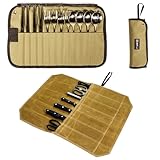
Durable utensil rolls and bags conserve valuable pack space while delivering portable organization. Elastic or Velcro straps secure contents, eliminating rattling and ensuring quick access during camp setup. An inventory list inside each container tracks contents systematically, streamlining packing and unpacking procedures. These practical storage materials work together to create a reliable system, allowing campers to maintain independence and efficiency in the backcountry.
Implement Dividers and Compartments for Easy Access
Once utensils are gathered and containers selected, internal organization becomes the critical next step in establishing an efficient camping kitchen system. Dividers and compartments transform generic storage into a functional workspace where every tool has its place.
Tackle boxes with adjustable dividers offer customizable sections for knives, spatulas, and serving utensils. Stackable clear plastic drawers provide utensil visibility, eliminating time wasted searching through cluttered spaces. Drawer organizers hold items upright, enabling rapid retrieval during meal preparation.
For those prioritizing mobility, soft-sided packs with internal compartments deliver portable storage without sacrificing organization. Strategic labeling designates specific zones for each utensil category, streamlining both cooking and cleanup.
This systematic approach transforms camping meals from chaotic to controlled, allowing outdoor enthusiasts to focus on freedom and adventure rather than rummaging through disorganized gear.
Tip: Small utensils constantly shifting or going missing in your gear?
Loose items tend to scatter during transport and are easy to lose. A compact utensil roll or compartmentalized box keeps tools secured, organized, and ready to use at any time.

Protect Fragile Items During Transport
While strategic compartmentalization keeps utensils organized at the campsite, the real test comes during transport when pots, pans, and delicate serving pieces face the rigors of the road. Protecting fragile items during transport requires deliberate action and quality materials. Individual wrapping in cloth or bubble wrap provides crucial cushioning against impact. Hard-sided containers with secure dividers prevent shifting and collisions that destroy gear. Strategic weight distribution matters—heavier items anchored at the bottom stabilize loads while fragile pieces secured on top remain undisturbed. Utensil rolls and padded cases offer purpose-built transport safety solutions for glass and ceramic utensils. Vehicle compatibility ensures containers fit snugly without jostling, eliminating unnecessary movement. By implementing these protective measures, campers preserve their cooking equipment and maintain independence on every expedition.
Tip: Worried about fragile items breaking on the road?
Unprotected gear can easily crack or chip during travel. Using padded storage or wrapping delicate items before placing them in a sturdy container helps prevent damage and extends their lifespan.


Maintain and Declutter Your Utensil Collection Regularly
The foundation of efficient camp cooking lies in a carefully assembled collection rather than a bloated inventory. Regular assessment eliminates duplicates, damaged items, and unused pieces that bog down your system. Implement a decluttering schedule every few months to evaluate utensil rotation—identifying what actually gets used versus what merely occupies space.
Organize remaining items by function: cooking, serving, and eating. Labeled containers streamline access during meal prep and prevent unnecessary rummaging. Drawer dividers and utensil trays within larger bins prevent jostling while enabling quick retrieval.
Storage optimization improves significantly through multi-functional utensils. Spoons doubling as spatulas, for example, reduce individual pieces while maintaining full capability. This streamlined approach delivers freedom—less gear to pack, maintain, and manage. Your camp kitchen operates lighter and faster.