Lightweight hammocks challenge traditional tent camping through reduced weight, faster deployment, and ground-moisture avoidance. Ultralight models weigh under a pound, appealing to backpackers optimizing load efficiency. Nevertheless, hammock viability depends on terrain, climate, and individual setup knowledge. The decision between hammocks and tents involves technical considerations that warrant closer examination.
Key Takeaways
- Hammocks weigh 2-3 pounds less than tents, with ultralight models like the Hummingbird Single+ at just 5.2 ounces.
- Hammocks set up and break down in minutes, offering significantly faster deployment compared to traditional tent camping.
- Integrated bug nets and rain flies on many hammocks eliminate the need for additional gear, streamlining backpacking logistics.
- Diagonal lay positioning provides a flatter sleeping surface while keeping you elevated above damp ground and moisture.
- Proper 30-degree suspension angle and 12-15 foot tree spacing ensure stable, comfortable hanging with optimal weight distribution.
Why Lightweight Hammocks Outperform Tents for Backpackers
Weight reduction stands as the primary advantage hammocks offer over traditional tents. Switching to ultralight models like the Hummingbird Single+ saves 2-3 pounds, directly translating to less strain on joints and faster trail progression. These systems weigh merely 5.2 ounces, enabling minimalist setups that maximize freedom of movement.


Beyond weight, hammocking misconceptions about comfort dissolve when understanding proper sleep position tips. The diagonal lay creates a flatter sleeping surface while elevating the body above damp ground—a technical advantage tents cannot match. Setup and teardown require minutes rather than substantial time investment.
Integrated bug nets and rain flies eliminate gear redundancy. Hammocks deliver protection from elements without additional components, streamlining backcountry logistics. For weight-conscious backpackers prioritizing autonomy and efficiency, hammocks represent technical superiority over conventional tent camping.
Top Ultralight Hammocks Under 1 Lb: Specs and Rankings
Five ultralight hammocks deliver sub-pound performance with minimal compromise on durability or capacity. The Hummingbird Single+ leads at 5.2 oz with a 350 lb weight limit, maximizing carrying freedom. Sea to Summit’s 5.4 oz model uses nylon monofilament for breathability and quick-drying capabilities. Kammok Roo Single UL weighs 5.6 oz with tear-resistant ultralight materials and water-resistant storage. ENO Sub6 balances comfort at 5.8 oz but suits shorter users under 6 ft. Grand Trunk Nano 7 offers budget accessibility at 7.3 oz while maintaining 300 lb capacity.
Effective weight distribution across hammock designs minimizes fatigue during extended backcountry use. All options support 300-350 lbs, enabling reliable gear carrying. Ultralight materials reduce pack burden while maintaining structural integrity, crucial for autonomous wilderness travel and extended expeditions.
Hammocks or Tents: Which Sleep System Fits Your Trip?
Choosing between hammocks and tents requires weighing pack efficiency against practical comfort factors. Hammocks save 2-3 pounds and set up faster, but suspension systems add 5-6 ounces back to the total weight, reducing the initial advantage for minimalist setups. Comfort trade-offs emerge in different conditions: hammocks excel in humid environments through superior ventilation, while tents provide ground insulation and weather protection that hammocks cannot match.
Weight And Pack Efficiency
When ultralight backpackers evaluate sleep systems, pack weight becomes a decisive factor. Hammocks deliver substantial advantages through minimal mass and superior packability features. Most reputed ultralight models weigh under 1 lb—the Hummingbird Single+ at 5.2 oz and Sea to Summit Ultralight at 5.4 oz exemplify this efficiency. Switching from tent to hammock saves 2-3 pounds, a significant reduction for distance travelers seeking maximum range.
Compact design permits hammocks to compress into grapefruit-sized bundles, optimizing pack volume. While suspension systems add approximately 5-6 oz when absent from base weight, the combined package remains lighter than conventional tent setups. This weight efficiency translates directly into reduced fatigue and extended exploration capabilities, making hammocks the logical choice for weight-conscious adventurers prioritizing freedom of movement across terrain.
Comfort Versus Setup Time
While weight efficiency addresses pack burden, sleeping comfort and deployment speed present distinct considerations that shape equipment selection. Hammock preferences vary based on user experience and trip demands. The ENO JungleLink allows for rapid setup within minutes, contrasting sharply with tent configuration complexity. On the other hand, the Warbonnet Original Blackbird’s 26-ounce frame delivers superior comfort through spacious design and integrated bug protection—beneficial for extended stays.

Seasoned backpackers typically prioritize hammock deployment speed and simplicity. Novice campers often favor tent familiarity in spite of longer setup times. Nonetheless, hammocks demand supplementary tarps for weather protection, adding complexity. Tents provide superior elemental defense without additional gear.
The ideal choice hinges on individual priorities: rapid deployment efficiency versus thorough comfort features and weatherproofing. Neither system universally dominates; rather, trip context and personal preference determine the superior solution.
Complete Sleep System Breakdown: What’s Included, What You Buy
What separates a functional hammock setup from an incomplete one? Understanding fundamental components versus optional hammock accessories determines whether a system delivers reliable shelter or fails when needed.
| Component | Purpose | Weight Range |
|---|---|---|
| Hammock | Primary sleeping structure | 5-35 oz |
| Suspension straps | Secure hanging system | 2-8 oz |
| Rainfly | Weather protection | 8-16 oz |
Insulation options—underquilts or sleeping pads—are non-negotiable for temperature regulation. Bug nets and tarps improve protection but remain supplementary. Weight considerations matter; ultralight models under 16 ounces facilitate multi-day expeditions while maintaining adequate load capacity (300-500 pounds). Buyers must distinguish between core necessities and luxury additions. A complete system balances minimalist philosophy with functional reliability, allowing self-sufficient backcountry freedom without excess baggage or compromised safety margins.
Setup Essentials: Angle, Height, and Flat-Lay Positioning
The foundation of hammock comfort rests on three critical variables: suspension angle, hang height, and body positioning. Optimal suspension techniques require a 30-degree angle from horizontal, distributing weight evenly and preventing excessive sagging. Height should allow seated legs to bend at 90 degrees, approximately 18 inches from ground level.
Tree spacing between 12-15 feet facilitates proper tension while maintaining the ideal setup geometry. A minimum four-foot distance between attachment points guarantees stability across varied positions.
Hammock positioning achieves a flat lay by lying diagonally corner to corner. This orientation allows fabric to wrap naturally around the body, eliminating back arch and distributing pressure uniformly. Mastering these suspension techniques and positioning methods transforms hammock camping into a genuinely comfortable, lightweight alternative to traditional tent systems.
Stay Dry and Bug-Free: Rain Flies and Nets
Rain flies and integrated bug nets form the protective layer crucial for hammock camping in variable weather and insect-prone environments. Rain fly installation requires positioning between trees to achieve proper pitch and coverage, typically spanning 6 to 10 feet with water-repellent materials that shed precipitation effectively. Integrated bug nets, featured in models like the Warbonnet Original Blackbird, maintain airflow while eliminating insect intrusion—a vital combination for extended trips where both weather and pests pose genuine hazards.


Integrated Bug Net Protection
Comfort and safety during backcountry sleep depend on integrated bug net protection combined with rain fly coverage. Modern hammocks like the Warbonnet Original Blackbird and Kammok Roo Single UL feature seamlessly integrated bug nets that eliminate setup complexity while maximizing hammock versatility across seasons and environments.
Bug protection benefits extend beyond mere comfort. Integrated nets create a protective cocoon that streamlines deployment and teardown, critical for minimizing campsite impact. When paired with rain flies—such as those on the ENO JungleLink—these systems prevent water pooling while maintaining insect exclusion.
Selecting hammocks with unified bug net and rain fly systems guarantees all-weather readiness. This integration reduces pack weight compared to separate components, allowing backpackers freedom to investigate remote terrain without compromising protection or convenience. Properly configured systems provide reliable defense against elements and pests in demanding conditions.
Rain Fly Installation Tips
Properly installing a rain fly transforms an integrated hammock system from theoretical protection into reliable shelter. The fly must extend several inches beyond hammock edges, angled to shed water effectively and prevent interior dripping. Secure setup requires sturdy tree straps positioned 6 to 8 inches above the hammock, establishing ideal pitch for runoff while preventing sagging. Tensioners or line-locking mechanisms create tautness, eliminating flapping in wind and maintaining consistent coverage. Rain fly durability depends on selecting quality waterproof materials and verifying attachment points remain secure throughout use. Regular inspection identifies wear, tears, or separations that compromise shelter efficiency. Proper installation and maintenance transform the rain fly into dependable defense against the elements, enabling genuine freedom in backcountry camping.
Hammock Durability: Fabrics, Stitching, and Coatings
Since lightweight hammocks must withstand consistent tension and environmental stress, their durability depends primarily on three interconnected elements: fabric composition, seam construction, and protective coatings.
Fabric strength relies on ripstop nylon or polyester, typically rated 20D to 40D denier, offering tear resistance and reliability. Triple-stitched seams significantly outperform single-stitched alternatives, reducing seam failure risk under load. Most quality hammocks support 300–500 lbs capacity while maintaining structural integrity.
Water-resistant coatings prevent dampness absorption, which degrades fabric and adds weight. These treatments improve longevity in wet conditions.
Maintenance extends hammock lifespan considerably. Regular inspection for fraying or fabric damage identifies potential failures early. Annual waterproofing reapplication restores protective properties and preserves durability.
Budget Hammocks That Don’t Sacrifice Quality
Quality hammocks need not command premium prices. Smart campers recognize that budget considerations needn’t compromise performance. Several models deliver exceptional value through intelligent hammock materials selection and construction choices.
| Model | Weight (oz) | Weight Capacity (lbs) | Material |
|---|---|---|---|
| Wise Owl Outfitters Kit | 30.0 | 500 | 210D parachute nylon |
| Grand Trunk Nano 7 | 7.3 | 300 | Lightweight nylon |
| ENO SingleNest | — | 400 | Soft parachute nylon |
| Kammok Roo Single UL | 5.6 | — | Gravitas™ 20D nylon |
| Grand Trunk Double Deluxe | — | — | Quality nylon |
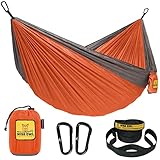


The Kammok Roo Single UL demonstrates ultra-lightweight capability at competitive pricing. Grand Trunk options provide reliable alternatives for budget-conscious expeditions. These selections prove that exceptional durability, weight reduction, and affordability coexist in hammock design.
Setup Mistakes That Sabotage Comfort (and How to Avoid Them)
Even the most affordable hammock performs poorly when installed incorrectly. Proper suspension techniques directly impact hammock longevity and user comfort.
The suspension angle matters: maintain 30 degrees between lines and tree trunk for ideal weight distribution. Tree spacing of 12-15 feet prevents mounting difficulties and instability. Use quality tree straps exclusively—they protect bark and guarantee secure anchorage, eliminating safety compromises and environmental damage.
Height positioning requires precision. Hang approximately 18 inches off ground for comfortable entry, exit, and back support. A setup too tight restricts the natural sag necessary for diagonal lay comfort.
Planning extends beyond the hammock itself. Account for tarps, bug nets, and additional gear weight when establishing your configuration. These considerations prevent degradation and maintain the freedom that hammock camping promises.
Choosing the Right Hammock for Your Next Backpacking Trip
How does one balance weight reduction with functional durability when selecting a backpacking hammock? Prioritize ultralight models under 1 lb—the Hummingbird Single+ at 5.2 oz and Sea to Summit Ultralight at 5.4 oz deliver minimalist performance. Verify a 300 lb weight capacity for reliability across body types. Material selection matters: 20D-40D ripstop nylon, like the Kammok Roo Single UL’s Gravitas™ construction, resists abrasion while maintaining featherweight profiles.
Dimension requirements demand approximately 9-12 feet in length for ideal diagonal positioning, ensuring a flat sleeping surface. Account for suspension systems when calculating total pack weight—these hammock accessories typically add 5-6 oz. Evaluate whether integrated or separate suspension fits your freedom-focused approach, as setup efficiency directly impacts your autonomy on the trail.