Beginning campers face a critical decision: assembling the right gear without overspending or accumulating unnecessary items. Quality shelter, proper sleep systems, and reliable cooking equipment form the foundation of any successful outdoor trip. Nonetheless, the distinction between crucial and optional gear remains unclear for most newcomers. Understanding these categories determines whether a camping experience becomes memorable or frustrating.

Key Takeaways
- Choose a three-season tent with color-coded poles and waterproof fabrics for easy setup and weather protection.
- Select a three-season sleeping bag paired with a two-inch thick sleeping pad for comfort and insulation.
- Pack a two-burner propane stove, mess kit, and durable cookware for versatile meal preparation and cleanup.
- Bring headlamps, maps, compasses, first aid kits, and sunscreen for navigation, safety, and personal health protection.
- Start with reusable dishes and functional, eco-friendly gear to build self-sufficiency and minimize environmental impact.
Shelter Essentials: Selecting the Right Tent
Choosing an appropriate tent sizes and forms the foundation of any successful camping trip. Beginners should prioritize tent features that improve comfort and durability, starting with selecting a size exceeding expected occupancy for adequate space and freedom of movement.
Season classification matters significantly. Three-season tents suit spring through fall conditions, while four-season models provide protection during winter extremes. Weather-resistant tent features—including waterproof fabrics and ventilation systems—prevent dampness accumulation and maintain interior dryness.
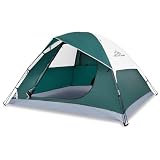

Setup ease distinguishes beginner-friendly options; color-coded pole systems accelerate assembly. Weight considerations depend directly on campsite selection. Hiking expeditions demand lightweight models for portability, whereas drive-up locations accommodate heavier, more spacious designs. Evaluating these tent features against intended campsite selection guarantees informed purchasing decisions that align with individual camping ambitions and practical requirements.

Sleep System: Sleeping Bags and Pads
A quality sleep system directly determines camping comfort and safety, requiring careful attention to both sleeping bag selection and pad choice. Beginners should evaluate temperature ratings—three-season bags suit spring through fall, while winter bags handle extreme cold. Bag style matters: rectangular designs offer spaciousness, whereas mummy bags excel at heat retention through their fitted construction.
| Insulation Type | Weight | Wet Performance | Best For |
|---|---|---|---|
| Synthetic | Heavy | Maintains warmth | Budget-conscious campers |
| Down | Light | Poor when wet | Dry conditions |
| Closed-cell foam pad | N/A | Durable | Ground insulation |
| Air pad | Minimal | Variable | Lightweight travel |
Sleeping pads require at least two inches of thickness for adequate insulation and comfort. A hot water bottle inside the bag provides supplemental warmth during frigid nights, enhancing the overall sleep system’s effectiveness.
Cooking and Food Preparation Gear
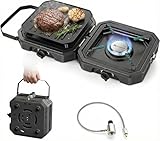
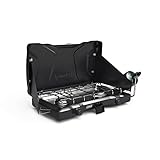
Proper cooking and food preparation gear transforms camping meals from an afterthought into a genuine highlight of the outdoor experience. A two-burner camp stove selection fueled by propane provides versatility for preparing diverse meals efficiently. Mess kit fundamentals—plate, bowl, mug, and utensils—minimize weight while maximizing functionality. Durable cookware including pots and pans handles various cooking methods, while a sharp multi-tool or knife expedites meal preparation and cutting tasks. Adequate food storage through a well-insulated cooler with ice packs keeps perishables fresh and secure from wildlife interference. Biodegradable soap, sponges, and trash bags complete the setup, enabling proper campsite hygiene and environmental stewardship. These fundamentals empower campers to cook independently, eat well, and maintain clean conditions throughout their journey.

Lighting and Navigation Tools
Effective lighting and navigation transform camping from a daytime-only activity into a seamless 24-hour experience. Beginners should prioritize versatile lighting options that balance portability with reliability. A headlamp provides hands-free illumination for nighttime tasks and dark terrain navigation. Lanterns brighten common areas, enhancing safety and promoting evening gatherings. Navigation techniques require both traditional and modern tools—maps offer trail details and water source locations, while compasses provide directional guidance when GPS fails.
| Lighting Option | Primary Use |
|---|---|
| Headlamp | Hands-free personal illumination |
| Lantern | Area lighting and ambiance |
| Backup batteries | Extended operation assurance |
| Map | Trail and amenity reference |
Carrying extra batteries or fuel prevents darkness-related mishaps, ensuring uninterrupted outdoor freedom and security throughout the camping experience.
Clothing and Weather Protection
While proper lighting and navigation keep campers oriented and safe after dark, clothing and weather protection determine comfort and survival throughout the entire camping experience. Smart humidity management begins with abandoning cotton in favor of synthetic or wool materials that maintain warmth when wet. Layering techniques allow campers to adapt quickly as temperatures fluctuate from dawn to dusk. A waterproof rain jacket and pants shield against sudden downpours, while warm layers—socks, gloves, and beanies—combat cool nights. Sun protection through hats, sunglasses, and UPF-rated clothing guards against UV damage during extended outdoor exposure. Checking weather forecasts before departure facilitates strategic packing decisions. By mastering these clothing fundamentals, beginners gain the independence to investigate confidently, regardless of conditions.
Personal Care and Safety Items
Beyond proper clothing, campers must prioritize sun and bug protection by packing broad-spectrum sunscreen and effective insect repellent to shield against UV damage and bites. Similarly significant is assembling a compact first aid kit with band-aids, antiseptic wipes, and pain relievers, alongside crucial hygiene items like biodegradable soap, toothpaste, and hand sanitizer to prevent infection and illness during outdoor stays.
Sun and Bug Protection
Protection from the sun and insects represents a critical component of any camping trip. Insect repellent containing DEET or picaridin effectively shields against mosquito bites and other bug annoyances, allowing campers freedom to investigate without constant irritation. Sun protection requires broad-spectrum SPF 30 or higher sunscreen, applied generously and reapplied every two hours for ideal defense against harmful UV rays.

Equally important, protective clothing—long-sleeve shirts and breathable, moisture-wicking pants—prevents both sunburn and insect bites while maintaining comfort. A wide-brimmed hat and UV-blocking sunglasses provide additional sun defense while keeping the wearer cool during outdoor activities.
For post-exposure care, aloe vera gel soothes sunburned skin, promotes healing, and restores dampness after excessive sun exposure. These necessities assure campers maintain health and comfort throughout their outdoor adventures.
Hygiene and First Aid
Maintaining personal cleanliness and addressing injuries swiftly become increasingly important when camping away from modern conveniences. A thorough first aid kit should include adhesive bandages, antiseptic wipes, gauze, and important medications to handle minor injuries effectively. Hygiene products are just as critical for comfort and health; campers need toothbrushes, toothpaste, toilet paper, and hand sanitizer to maintain cleanliness at the campsite. Biodegradable soap serves dual purposes—enabling personal hygiene while protecting the natural environment from chemical contamination during washing. First aid necessities address immediate medical needs, while proper hygiene practices prevent infections and illness. Together, these items create a foundation for safe, healthy camping experiences. Beginners should prioritize packing these basics to guarantee they’re prepared for any situation the outdoors presents.
Campsite Comfort and Accessories
Comfort transforms a camping trip from merely functional to genuinely enjoyable, and thoughtful accessory choices make all the difference in how campers engage with their time outdoors. Lightweight camping chairs provide crucial campfire seating for meals and relaxation, while solar lights create nighttime ambiance without dependence on batteries or fuel. A portable hammock delivers a personal retreat for reading or reflection between activities.
| Item | Purpose |
|---|---|
| Extra Blankets | Retain warmth during cold nights |
| Mess Kit | Minimize waste with reusable dishes |
| Solar Lanterns | Facilitate safe navigation after dark |
Beginners who prioritize these accessories gain independence from conventional comforts while maintaining functionality. A mess kit with reusable components reduces environmental impact and streamlines cleanup. Strategic layering with extra blankets allows campers to adjust to temperature fluctuations without excess gear weight.