Maintaining hygiene in the backcountry presents distinct challenges. Without indoor plumbing or running water, campers must adapt their daily routines to preserve both personal health and environmental integrity. A strategic approach involving biodegradable products, careful water management, and Leave No Trace principles becomes crucial. The difference between a comfortable trip and one marred by preventable issues often hinges on preparation and discipline in these fundamentals.

Key Takeaways
- Assemble a hygiene kit with biodegradable soap, toothpaste, wet wipes, and hand sanitizer before departing for camp.
- Brush teeth twice daily at least 200 feet from water sources using travel-sized biodegradable toothpaste and floss.
- Clean high-sweat areas like underarms, groin, and neck using biodegradable wipes when running water is unavailable.
- Inspect feet daily and apply blister prevention tape to vulnerable spots; rotate moisture-wicking socks to maintain dryness.
- Dispose of waste in catholes dug eight inches deep, 200 feet from water sources, trails, and campsites.


Prepare Your Camping Hygiene Kit Before You Go
Preparation sets the foundation for maintaining cleanliness throughout a camping trip. Smart campers assemble hygiene kit necessities before departure, ensuring nothing gets forgotten in the rush.
Basic items deserve priority: toothpaste, toothbrush, biodegradable soap, and wet wipes handle daily cleaning needs effectively. Camping soap options vary—biodegradable formulas minimize environmental impact while maintaining effectiveness. Fast-drying towels prevent mold and odor accumulation in gear.

Unscented hand sanitizer provides practical protection after restroom breaks and before eating, critical for preventing illness outdoors. A compact first aid kit with antiseptic wipes, bandages, and antibiotic ointment addresses minor injuries swiftly.
Organization matters. Waterproof bags separate products, preventing cross-contamination and enabling quick access during setup. This systematic approach eliminates guesswork, letting campers focus on enjoying their freedom in nature rather than scrambling for supplies.
Clean Your Face and Body Without Running Water
Biodegradable body wipes and baby wipes serve as vital tools when campsite water access is limited. These cleaning techniques allow campers to maintain hygiene while preserving natural resources and personal freedom in remote settings.
Effective odor management requires strategic focus:
- Prioritize high-sweat zones—underarms, groin, and neck—using extra wipes for thorough cleansing
- Carry a microfiber towel for rapid dampness absorption and quick drying without bulk
- Pack out all waste, including used wipes, respecting Leave No Trace principles


When wipes run short, dampened cloths work adequately for spot cleaning. Alternatively, wet biodegradable soap applied at safe distances from water sources provides reliable options. This resourceful approach keeps campers clean and self-sufficient, eliminating dependence on conventional facilities while maintaining environmental integrity.
Prevent Blisters: Daily Foot and Sock Care
While keeping the body clean preserves overall wellness, protecting the feet demands similarly rigorous daily attention. Sock rotation prevents dampness buildup and reduces blister risk significantly. Choose moisture-wicking materials to maintain dryness and minimize friction reduction during extended hiking.
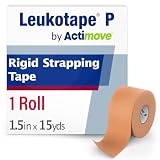
Inspect feet each morning and evening for hot spots or rubbing areas. Address any irritation immediately before it escalates into painful blisters. Apply Leukotape or similar blister prevention tape to vulnerable zones before trekking, creating a protective barrier against friction.
Select well-fitted hiking footwear with adequate toe box space to minimize unnecessary movement. Allow feet to air out regularly between activities. By prioritizing foot care through deliberate sock management and preventative measures, hikers maintain mobility and independence throughout their journey without compromising comfort or endurance.
Brush Your Teeth and Maintain Oral Hygiene
Maintaining oral hygiene while camping requires a consistent daily dental care routine using compact travel-sized toothbrush and toothpaste. Biodegradable toothpaste minimizes environmental harm and should be used at least 200 feet away from water sources. Flossing daily prevents plaque buildup and protects gums, with all supplies stored in a designated area away from wildlife.

Daily Dental Care Routine
Oral hygiene deteriorates quickly without attention, making a consistent brushing routine vital during camping trips. Campers maintain dental health through deliberate action and minimal supplies.
- Brush twice daily with travel toothbrushes and biodegradable toothpaste, performing all dental care at least 200 feet from water sources to prevent contamination of natural supplies.
- Practice daily flossing techniques to remove food particles and plaque buildup that cause cavities and gum disease in remote settings where dental care access is limited.
- Store oral hygiene supplies in a designated, clean container away from camp to keep materials sanitary and prevent attracting wildlife to sleeping areas.
This straightforward approach preserves teeth while respecting the wilderness. Campers who establish discipline in their dental routine gain independence from preventable dental emergencies during extended outdoor stays.
Biodegradable Toothpaste Selection
Selecting the right biodegradable toothpaste transforms camping hygiene into an environmentally responsible practice. Campers should prioritize products containing natural ingredients while avoiding synthetic chemicals that compromise water quality and ecosystem health. Certified biodegradable formulations guarantee effective breakdown without persistent pollutants.
Brands like Bite and True Earth offer convenient tablets or paste in minimal packaging, reducing waste and environmental impact. These options align with a resourceful camping approach, eliminating unnecessary bulk from gear.
Proper technique matters similarly. Brushing at least 200 feet from water sources prevents contamination of aquatic systems. A travel-sized toothbrush further minimizes waste while maintaining oral hygiene standards.
This combination—choosing natural toothpaste, maintaining distance from waterways, and using compact tools—reflects genuine respect for wilderness while preserving personal freedom to camp sustainably.
Sanitize Your Hands Before Meals and After Bathroom Use
Hand sanitation forms a critical barrier against illness transmission at camp. Campers maintain autonomy over their health by implementing straightforward camping sanitation practices that require minimal effort yet deliver maximum protection.
Effective hand sanitizer importance cannot be overstated in outdoor settings where traditional facilities remain limited. Key practices include:
- Applying hand sanitizer containing at least 60% alcohol after bathroom use and before handling food
- Establishing a designated handwashing station with water and biodegradable soap for thorough 20-second scrubs
- Encouraging all group members to adopt consistent hygiene routines, creating collective accountability
These practices eliminate reliance on external infrastructure while preventing harmful bacteria transmission. Campers who prioritize hand sanitation gain peace of mind and reduce illness risk substantially. Self-reliant travelers recognize that simple, deliberate actions protect both personal wellbeing and group health throughout their expedition.
Wash Clothes and Keep Damp Gear Fresh
Maintaining clean clothing and gear prevents humidity accumulation that breeds odor and mildew in outdoor environments. Effective laundry techniques require washing garments regularly with biodegradable soap, positioned at least 200 feet from water sources to protect ecosystems. Moisture management becomes crucial by airing damp gear overnight, allowing natural evaporation to eliminate buildup. Packing quick-drying fabrics streamlines this process, enabling frequent washing without extended drying periods. Separate dry bags maintain hygiene by isolating clean clothes from used or damp items, preventing cross-contamination. Bring sufficient clothing reserves, including extra layers, ensuring fresh options throughout the trip. This approach maintains personal comfort and independence while respecting the natural environment—allowing campers to move freely without compromising cleanliness or ecological responsibility.
Sleep Hygiene: Keep Your Gear and Body Odor-Free
A sleep liner acts as a barrier between body and bag, reducing oil and odor buildup while extending gear life. Daily airing in sunlight eliminates humidity and prevents smell development, making this simple practice crucial for multi-night trips. Nightly odor prevention—using dry shampoo, body wipes, and breathable synthetic sleepwear—keeps both camper and equipment fresh without requiring water or soap.

Sleeping Bag Liners Matter
Sleeping bag liners offer a vital layer of protection between your body and gear, absorbing dampness and odors that would otherwise accumulate during extended camping trips. This simple addition extends sleeping bag benefits considerably.
Choosing liners strategically provides practical advantages:
- Reduced maintenance – Wash liners after each trip instead of frequently laundering expensive sleeping bags, preserving insulation and durability
- Enhanced hygiene – Lightweight, breathable materials like silk or polyester create a clean barrier while regulating temperature
- Odor control – Antimicrobial-treated options prevent bacteria growth and unwanted smells
For independent travelers prioritizing gear longevity and personal cleanliness, liners represent an economical investment. They’re easily packable, washable, and transformative for maintaining freedom in the backcountry without compromising comfort or sanitation standards.
Air Out Your Gear
Hanging gear each night to dry prevents wetness buildup that breeds mold and odors, extending equipment lifespan and maintaining personal freshness. Effective gear maintenance demands intentional humidity control—a non-negotiable practice for self-reliant campers.
| Strategy | Benefit | Implementation |
|---|---|---|
| Hang items nightly | Prevents mold growth | Use rope or branches |
| Breathable storage bags | Allows airflow circulation | Replace airtight containers |
| Dry before packing | Stops bacteria proliferation | Air completely post-use |
| Odor absorbers | Neutralizes stale scents | Cedar sachets or charcoal |
Complete dryness before packing away sleeping bags and clothing is crucial—wetness encourages bacterial growth and compromises gear integrity. Odor-absorbing materials like activated charcoal or cedar sachets neutralize unwanted scents without chemical additives. Regular washing of towels and sleeping bags maintains freshness throughout extended trips. These practices guarantee independent campers retain autonomy over their comfort and hygiene standards.
Odor Prevention Strategies Nightly
Odor prevention begins with deliberate nighttime routines that address both body and gear. Campers maintain independence from commercial hygiene products by mastering simple, effective techniques.
- Change into clean, moisture-repellent clothing before bed to minimize body odor and improve sleep comfort. This deliberate shift reduces bacterial growth on skin.
- Store sleeping bags and clothes in breathable dry bags, preventing mustiness and mildew that compromise gear longevity and personal freshness.
- Hang used clothing to air overnight, allowing natural ventilation to eliminate odors while maintaining garment integrity for tomorrow’s use.
Consistent camp hygiene—washing feet and managing sweat-prone areas before sleep—establishes a foundation for quality rest. Morning dry shampoo or baby powder absorbs excess dampness throughout the trip, extending the intervals between traditional washing. These resourceful strategies guarantee campers stay fresh without relying on heavy products.
Handle Backcountry Bathroom Waste Responsibly
Proper waste disposal forms the foundation of responsible backcountry practices. Travelers should employ cathole disposal by digging holes at least eight inches deep and 200 feet from water sources, trails, and campsites. This distance protects ecosystems and prevents contamination.
Toilet paper alternatives—biodegradable options that burn or pack-out systems—eliminate environmental impact. Used paper goes in sealed bags for packing out.
After waste management, hand sanitization remains critical. Carrying biodegradable soap or hand sanitizer eliminates harmful bacteria transmission. Establish a dedicated washing station 200 feet from water sources.
Covering catholes with soil aids decomposition and prevents wildlife access. This systematic approach—strategic placement, proper burial, hygiene maintenance—enables backcountry users to minimize their environmental footprint while maintaining personal cleanliness in remote settings.